
Understanding the House Edge
One common myth surrounding casinos is that players can consistently win by finding games with a “loose” or “tight” house edge, and many enthusiasts often discuss where to find the best online casino . The house edge is the mathematical advantage that a casino has over its players for each game, which varies depending on the type of game played and the strategies employed. Many players mistakenly believe they can beat the house edge with a specific betting strategy, but the reality is that the house always has an inherent advantage that cannot be overcome in the long run.
For example, when playing games like blackjack, players often believe they can shift odds in their favor through card counting. While this technique can give an advantage to skilled players, casinos have implemented measures to counter such strategies. The rules surrounding card counting and game variations inherently favor the house, meaning that players who rely solely on this myth may find their losses accumulating over time rather than achieving consistent success.
Understanding that the house edge is a consistent factor in all casino games helps to set realistic expectations. Players should approach gambling as a form of entertainment rather than a reliable way to make money. It’s essential to keep in mind that losses are a part of gameplay, and embracing the fun aspect can lead to a more enjoyable experience while still maintaining a clear understanding of the risks involved.
Winning Strategies: Fact or Fiction?
Another prevalent myth is that specific winning strategies can guarantee success at casino games, such as roulette or poker. While some strategies might improve a player’s chances of winning or help them manage their bankroll more effectively, there are no foolproof methods available. For instance, players who rely on the Martingale system in roulette believe that increasing their bets after a loss will eventually result in a win. However, this method can quickly lead to substantial losses, especially when a player’s funding runs out or they hit the betting limits imposed by the casino.
Moreover, poker players often think that simply using advanced tactics or bluffing can secure them victories against less skilled opponents. However, poker is as much about understanding player psychology as it is about tactical moves. The best players consistently adapt their strategies based on various factors, including their opponents’ tendencies and their own position at the table. Relying solely on supposed winning strategies without adapting to the dynamic nature of the game can hinder a player’s success and enjoyment.
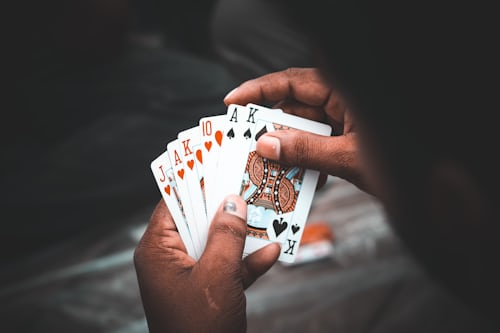
It’s crucial to recognize that while strategies can be beneficial, they do not guarantee wins. Gambling should always be approached with an understanding of randomness and chance, as these elements play a significant role in games. Players are encouraged to research and learn about the games they enjoy rather than solely relying on hearsay or myths that promise sure-fire ways to win.
The Role of Luck in Gambling
A popular myth in casinos is the belief that luck is something that can be cultivated or transferred. Some players think wearing certain clothing, using lucky charms, or sitting in specific positions will influence their luck at the games. While these rituals can create a sense of comfort or superstition, they have no bearing on the actual outcomes of games governed by random number generators or well-defined rules.
For instance, slot machines operate based on complex algorithms that ensure each spin is entirely random. No amount of charm or superstition can affect the outcome of a spin, and players who rely on luck as a controllable factor might be disappointed to find that their efforts have no effect. Recognizing that luck is fundamentally random is important for managing expectations and reducing frustration during gameplay.
Moreover, the concept of ‘hot’ and ‘cold’ machines is another aspect of this myth. Players often believe that certain slot machines are “due” for a win after a losing streak. However, each spin is independent of previous outcomes, meaning that past performance does not influence future results. Emphasizing the random nature of gambling can help players focus on enjoying their experience rather than obsessing over luck.
The Illusion of Control in Games
Many gamblers fall victim to the myth that they can exert control over the outcomes of games, especially in games that involve skill, such as poker. While skill does play a significant role in poker, many players mistakenly overestimate their ability to control their destiny within the game. This belief can lead to overconfidence, and ultimately, significant losses when faced with opponents who are also skilled or experienced.
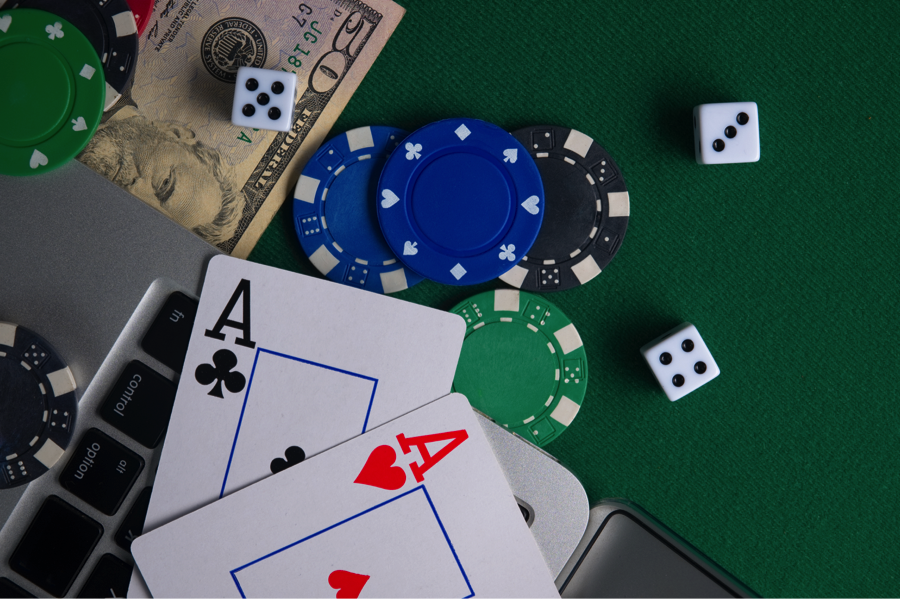
For players of other games, such as baccarat, the concept of control manifests in various betting systems that claim to manipulate the outcomes. However, every bet placed is subject to the randomness of the game. For example, players may believe that betting patterns can increase their chances of winning. Still, the nature of the game means that each outcome is fundamentally influenced by chance, not control, reinforcing the need for realistic expectations and a clear understanding of the game’s mechanics.
Ultimately, the myth of control can damage a player’s enjoyment and financial health, leading them to engage in risky betting behavior. Acknowledging that chance plays a critical role in outcomes prepares players to approach gambling responsibly while focusing on the entertainment value rather than the perception of control over events that are inherently unpredictable.
Where to Access Reliable Casino Information
In navigating the world of casinos, finding reliable information is essential to debunking myths and enhancing your gambling experience. Numerous websites and platforms are dedicated to providing accurate details about different games, strategies, and the overall gambling landscape. These resources often include expert insights, statistical data, and updated information about legislation and regulations regarding gaming establishments.
Additionally, reputable forums and discussion boards allow players to share their experiences and learn from one another. Engaging with a community can provide valuable insights and practical tips, as well as a space for players to express their concerns and clarify misconceptions. By leveraging these resources, gamblers can cultivate a more informed approach to their games and steer clear of unrealistic expectations perpetrated by common myths.
Furthermore, utilizing trustworthy gaming websites can enhance players’ understanding of the odds and the significance of responsible gaming. Placing emphasis on educational resources empowers players to make informed decisions about their gambling activities while fostering a culture of responsible play. By differentiating fact from fiction, players can enjoy the gambling experience with greater awareness and appreciation for the complexities of the games they choose to play.